Plant in Sack Line Art: A Designer's Embroidery Review
I have spent years stitching everything from delicate heirloom pieces to rugged workwear, and I have learned that the difference between a good embroidery project and a great one often lies in the file itself. When I first encountered Plant in Sack Line Art, my initial reaction was one of curiosity. It is not just another generic floral motif; it carries a specific mood that speaks directly to the current trend of eco-conscious living and rustic home decor. As an experienced designer reviewing this for real-world application, I want to walk you through exactly how this design behaves when it moves from a digital screen to the needle of your machine.
The First Impression: Mood and Visual Personality
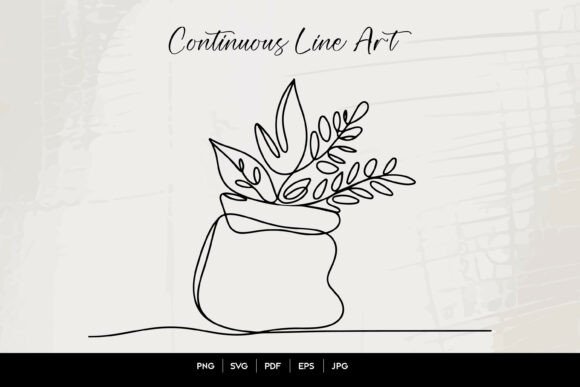
Plant in Sack Line Art immediately establishes a tone of organic simplicity. The line art style suggests a hand-drawn aesthetic that feels approachable yet professional. Unlike complex pictorial designs that require heavy fill stitches and dense satin work, this piece relies on clean lines and negative space. This visual personality makes it incredibly versatile. It feels at home in a modern nursery, a boutique garden shop, or on a personalized tote bag for a local farmer's market. The imagery of a plant growing out of a sack or pot evokes themes of growth, nature, and sustainability, which are powerful emotional triggers for customers browsing handmade goods.
For the craft business owner or Etsy seller, this design offers a unique selling point. It allows you to create products that feel curated and thoughtful without looking overly complicated. The layout is balanced, meaning it can sit comfortably as a central focal point on a sweatshirt or as a subtle accent on a kitchen towel. It does not scream for attention but rather invites the viewer to look closer, which is a hallmark of high-quality design assets.
Real-World Application: From Screen to Stitch
Let me take you through a scenario where I tested this design. I was preparing a custom order for a client who wanted embroidered aprons for her new herbal tea shop. She needed something that felt natural and unpretentious. Plant in Sack Line Art was the perfect candidate. I placed the design on the chest area of a heavyweight cotton canvas apron. Because the design is primarily line-based, it translated beautifully onto the textured fabric. The running stitches mimicked the hand-sketched quality of the original vector, creating a soft, artisanal look that matched the brand's "organic" identity perfectly.
This type of embroidery file is also excellent for baby items. I imagine this design stitched in soft pastels on a muslin onesie or a hooded towel. The lack of excessive density ensures the fabric remains soft against sensitive skin, a crucial factor for parents buying embroidery projects for their children. Furthermore, for those making embroidered patches, the clean lines allow for crisp edges even on smaller sizes, provided the hoop size is appropriate. Whether you are decorating caps, pillow covers, or holiday gifts, this design bridges the gap between a hobbyist project and a commercial-grade product.
Where to Use with Caution
While Plant in Sack Line Art is highly adaptable, no single design fits every situation. As a designer, I must be realistic about its limitations. If you plan to use this on a small hoop size, such as 4x4 inches, you need to evaluate the detail level carefully. While the line art is simple, extremely small details might get lost if the stitch count is too low or if the fabric pulls during stitching. Always test the scale before committing to a full production run.
Fabric choice is equally critical. This design thrives on stable fabrics like denim, canvas, twill, and medium-weight cotton. However, it requires careful handling on stretchy fabrics like jersey knits unless you use a heavy-duty stabilizer. On thin, sheer fabrics, the thread weight used to render the lines might overwhelm the material, causing puckering. Similarly, if you are working with dark fabric, ensure your thread colors provide enough contrast. A light gray line on a black background might disappear under certain lighting conditions, ruining the intended effect of the botanical theme.
Curved surfaces like baseball caps present another challenge. While the design is not overly complex, the curvature can distort straight lines if the digitization does not account for the tapering required for cap hoops. You may need to adjust the hooping technique or use a specialized cap frame to maintain the integrity of the plant shape. Additionally, avoid using this on items that will undergo frequent industrial washing, such as restaurant uniforms, unless the thread quality is top-tier, as fine lines can sometimes break down faster than thick fills.
Impact on Product Value and Brand Perception
The quality of your embroidery design directly influences customer trust. A well-executed custom apparel item featuring Plant in Sack Line Art signals professionalism. It tells the buyer that you care about the details, from the stitch density to the thread selection. In the world of craft business and Etsy sellers, presentation is everything. When a customer sees a clean, consistent design on a finished product, they are more likely to perceive the item as premium and worth the price.
This design also enhances the giftability of your products. The theme of growth and nature resonates with a wide audience, making it suitable for housewarming parties, new parent gifts, or corporate wellness packages. By choosing a design that aligns with these values, you increase the emotional connection the recipient has with the item. For commercial embroidery projects, having a library of cohesive design assets like this helps maintain brand consistency across different product lines, whether it is a tote bag, a t-shirt, or a printed mockup for marketing materials.
Practical Notes for the Embroidery Designer
Before you start stitching, there are several technical steps you should take to ensure success. First and foremost, always test the design on scrap fabric that matches your final material. This allows you to check the stitch density and see how the threads interact with the fabric texture. Pay close attention to the thread colors; a color that looks good on a monitor might wash out on a specific fabric shade.
Review the file formats provided. Since the listing mentions PNG, SVG, EPS, PDF, and JPG, you have flexibility in how you prepare the design. However, remember that machine embroidery design files usually require conversion to the specific format of your machine (like .DST, .PES, or .EXP) if they are not already provided in those formats. If you are unsure about the compatibility, check the source details before purchasing or downloading.
Inspect the small details closely. Ensure that the leaves and the outline of the sack do not merge unintentionally during the digitization process. Using the proper stabilizer is non-negotiable; for this type of line art, a cut-away stabilizer often provides the best support to prevent distortion. Also, confirm whether the license allows for commercial use if you intend to sell the finished products. Many designers make the mistake of assuming all graphics are free for resale, so verifying the terms is essential for protecting your small shop product business.
Finally, consider testing the design in black and white mockups. This helps you visualize the contrast and composition without the distraction of color. Compare how it looks on both light and dark backgrounds to ensure versatility. By taking these practical steps, you transform Plant in Sack Line Art from a simple digital image into a polished, professional element of your creative portfolio. Whether you are a seasoned pro or a beginner maker, this design offers a solid foundation for creating beautiful, meaningful embroidered goods.