Floral Wall Art SVG Laser Cut File Review
When I first opened the Floral Wall Art SVG Laser Cut File, my immediate reaction wasn't about the digital vector lines or the file structure. It was about the mood. As a designer who spends hours translating pixels into thread, I look for that spark of potential. This design carries a quiet elegance that feels right at home in a boutique nursery or a sunlit kitchen. The intricate flowers and flowing leaves suggest a softness that works beautifully with natural fabrics like linen or cotton percale. However, moving from a digital preview to a stitched reality requires more than just hitting "print." It demands a critical eye on how those decorative vine details will behave under the needle.
The First Stitch: Visual Personality and Layout
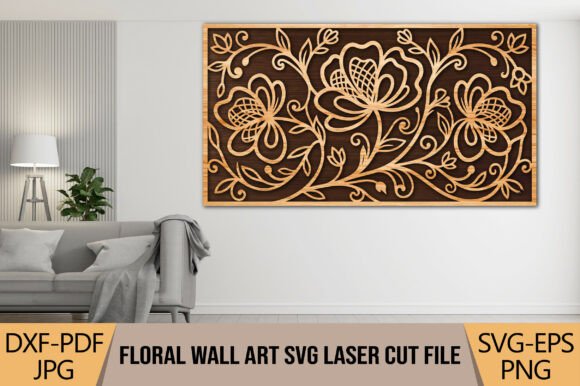
The layout of this Floral Wall Art SVG Laser Cut File is its strongest asset. Unlike many dense floral patterns that feel chaotic when scaled down, this design breathes. The negative space between the petals and vines allows the fabric texture to peek through, which is crucial for high-end handmade products. When I imagine this as an embroidery project, the visual weight feels balanced enough for a center chest placement on a sweatshirt without overwhelming the wearer. For a tote bag, the vertical flow of the vines guides the eye naturally from top to bottom.
However, the term "intricate" in the product description is a double-edged sword. While it promises detail, it also warns us about stitch density. If we are using this for commercial embroidery on items like aprons or caps, we must be careful. The delicate corners of the flower centers might get lost if the stitch density isn't adjusted. A professional embroidery file needs to account for the fact that thread has volume. What looks crisp on a screen can sometimes blur together when stitched on a textured surface. This design relies heavily on clean lines, so the quality of the thread and the precision of the machine become paramount.
Real-World Scenarios: From Tote Bag to Boutique Gift
Let's talk about where this design truly shines. I recently considered using the Floral Wall Art SVG Laser Cut File for a custom order of baby blankets. The soft, organic shapes of the flowers would translate perfectly into a pastel color palette. Imagine stitching this in cream thread on a light blue blanket; the result would be a timeless piece that fits the current demand for gender-neutral nursery decor. The flowing leaves add a sense of movement that static designs often lack, making the finished product feel alive.
Another strong contender for this design is the tote bag design category. Small business owners often struggle to find designs that look expensive but are quick to produce. This pattern offers a high perceived value because of its complexity, yet it doesn't require hours of tedious editing. If you are an Etsy seller looking to expand your small shop product line, adding a version of this design to your digital embroidery file catalog could attract buyers looking for unique, artisanal touches. It works exceptionally well as a personalized gift for wedding favors or bridal showers, where the romantic theme of flowers is always appreciated.
I also see potential in the holiday embroidery niche. While not explicitly seasonal, the lush foliage can be adapted for spring or summer gifts. By changing the thread colors to deeper greens and burgundies, this same design could transition into a sophisticated winter accent for a throw pillow cover. The versatility here is key for creative entrepreneurs who need to maximize their design assets across different seasons.
Where to Proceed with Caution
Despite its beauty, there are specific scenarios where the Floral Wall Art SVG Laser Cut File might stumble. One major consideration is the hoop size. If you attempt to stitch this on a small hoop, such as one designed for a hat or a tiny pocket patch, the fine details of the vines may collapse. The stitch density required to hold these shapes together might be too heavy for thin fabrics like silk or chiffon, leading to puckering. In these cases, the design simply won't hold its shape, and the customer will notice immediately.
Dark fabrics present another challenge. Because the design relies on contrast and intricate outlines, stitching light threads on dark backgrounds might make the finer details disappear unless you use a high-quality underlay. Furthermore, if you are creating an embroidered patch intended for frequent washing, the dense areas of the flowers could trap lint or wear down faster than simpler designs. For items that need to withstand heavy use, like workwear or kids' clothes, this design might be better suited for a smaller, reinforced section rather than covering the entire garment.
Curved surfaces like baseball caps also require extra attention. The way the vines wrap around the curve of a cap can distort the symmetry of the flowers if the digitization isn't perfect. Without knowing the exact machine compatibility or digitization specifics provided by the creator, it is risky to assume it will lay flat on a curved brim without manual intervention.
Designer Notes for a Flawless Finish
To ensure your finished product meets professional standards, I recommend starting with a test run. Always test the design on scrap fabric first before committing to a final item. This simple step reveals issues with thread tension, stabilizer choice, or fabric stretch that you might miss otherwise. Pay close attention to the thread colors; selecting a thread that contrasts too sharply with the background can make the satin stitch edges look harsh, while a tonal thread might hide the beautiful details of the running stitch elements.
Using the proper stabilizer is non-negotiable for this type of design. Given the flowing nature of the vines, a cut-away stabilizer is likely necessary to prevent the design from distorting after washing. If you are producing for a craft business, consistency is everything. You want every handmade product to look identical, which means checking the stitch density and ensuring the embroidery design is hooped tightly and evenly every time.
Before listing this as a design asset for sale, review the licensing terms carefully. Are you allowed to sell the finished items? Can you modify the Graphics for client projects? These questions determine whether you can confidently market this as a custom apparel solution or if it is restricted to personal use. Also, consider creating printable mockups to show clients how the design looks on different backgrounds. Comparing light and dark fabric versions helps manage customer expectations regarding visibility and contrast.
Ultimately, the Floral Wall Art SVG Laser Cut File is a powerful tool for anyone in the Crafts industry who values aesthetic depth. It elevates a standard embroidered item into something that feels curated and thoughtful. Whether you are decorating a kitchen towel or branding a new line of apparel decorators, this design offers a level of sophistication that resonates with buyers. Just remember that the magic lies in the execution. Take the time to prep your materials, respect the limits of the fabric, and let the intricate details shine through. With the right approach, this design can become a staple in your portfolio, driving engagement and trust among your customers.